

PTAC Air Conditioner Installation in NYC
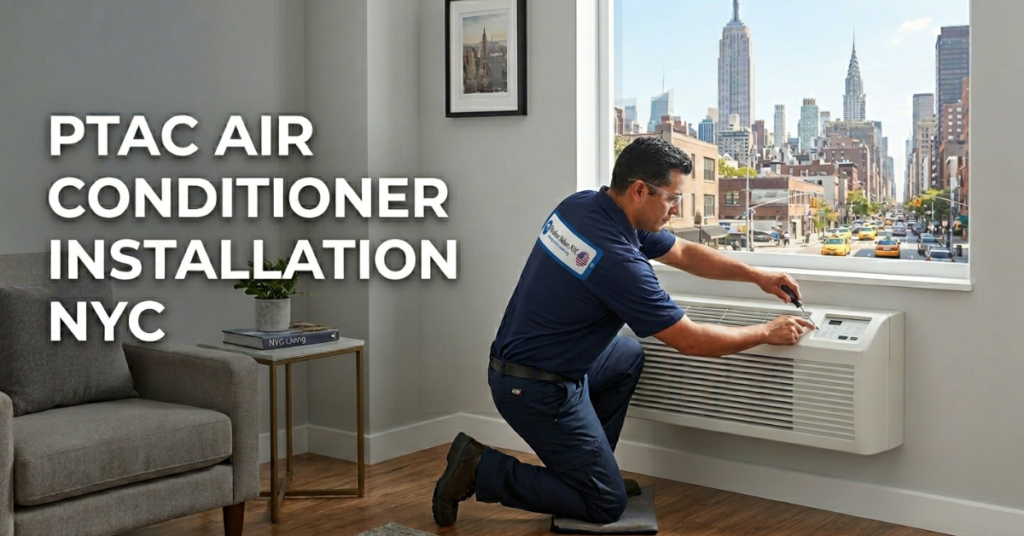
Choosing the right PTAC unit is crucial for efficient climate control. These units are popular in hotels and apartments for their individual room temperature management. PTAC units offer both heating and cooling, making them versatile for year-round use. They are installed through the wall, saving space and providing a sleek look. Understanding the installation process is key to ensuring optimal performance. It involves creating a wall opening and fitting a sleeve to secure the unit. Cost considerations are important, as installation expenses can vary based on several factors. Professional installation is recommended to meet local codes and ensure safety. Weather Makers NYC provides professional PTAC air conditioner installation in NYC for apartments, hotels, condominiums and commercial buildings, helping you choose and install the perfect unit for your space. What Is a PTAC Unit? Understanding the Basics A PTAC unit, or Packaged Terminal Air Conditioner, is a self-contained HVAC system. It provides both heating and cooling in a single unit. These units are often seen in hotels, apartments, and multi-family buildings. They are popular due to their compact design and efficiency. PTAC units are installed through the wall, freeing up window space. Their design helps maintain the aesthetics of a room. Key features of PTAC units include: Understanding what a PTAC unit is and its basic functions can help in making informed purchasing decisions. Choose a model that suits both your space and comfort needs. Need PTAC Air Conditioner Installation in NYC? Get fast, professional PTAC installation, replacement, and repair for apartments, hotels, and commercial buildings. 📞 Call (212) 739-6817 ⚡ Book Installation Key Benefits of PTAC Air Conditioner Installation PTAC air conditioners offer numerous benefits that make them an appealing choice for various spaces. Their ability to provide both heating and cooling ensures year-round comfort. These units are particularly energy efficient, leading to significant savings on utility bills. Choosing an energy-efficient model can reduce operational costs over time. Moreover, PTAC units are easy to install and maintain when handled by professionals offering HVAC installation services in NYC. They offer an excellent solution for both new and existing buildings. Key benefits include: The versatility and efficiency of PTAC units make them ideal for hotels, apartments, and commercial buildings alike. Investing in a PTAC unit can enhance comfort and savings. Types of PTAC Units: Which Is Right for You? PTAC units are available in various types to meet diverse needs. Some are designed for hotels, while others are ideal for residential use. Understanding the differences can help you make the right choice. There are basic PTAC units, which offer heating and cooling. Then, there are advanced models with features like remote controls or smart thermostats. These advanced features improve convenience and control. PTAC systems are similar to through-the-wall air conditioner units, which are commonly used in NYC apartments. When choosing a PTAC unit, consider the following types: Selecting the best PTAC unit depends on your specific needs and budget. Each type has its unique features that cater to different settings and preferences. Essential Considerations Before Installation Before installing a PTAC unit, evaluate the space where it will reside. The room’s size, layout, and insulation affect the unit’s efficiency and effectiveness. Ensure the room can accommodate the unit’s heating and cooling capabilities for optimal results. Electrical compatibility is crucial. PTAC units require specific electrical setups, often needing a dedicated circuit. Consult an electrician to confirm that your building’s electrical system can support the unit’s power requirements. Wall construction is another critical factor. PTAC units need a sturdy wall opening for support. The installation area should allow proper drainage and air circulation to prevent moisture issues and enhance performance. Consider the unit’s noise level, especially in quiet settings like bedrooms or offices. Choose a unit with noise-dampening features to enhance occupant comfort. Many property owners schedule an inspection with an air conditioning installation contractor in NYC before installing a PTAC unit. Here are key aspects to assess: Evaluating these factors ensures a successful PTAC installation, helping you achieve maximum comfort and efficiency. Always seek expert advice to address specific installation challenges. PTAC Installation Requirements and Electrical Needs Installing a PTAC unit requires meeting specific construction and electrical guidelines. A precise wall opening ensures proper fitment and secure mounting. The sleeve, an essential component, provides structural stability and insulation. Electrical needs are equally important for PTAC units. These air conditioners typically demand a dedicated circuit with the correct voltage and amperage. Verify that your electrical panel can handle this addition without overloading existing circuits. Consult a licensed electrician to adjust your electrical setup if needed. They can ensure compliance with building codes and safety standards. Key electrical considerations include: By adhering to these requirements, you guarantee the PTAC unit’s safe operation and optimal efficiency. Proper preparation helps avoid electrical issues and ensures a smooth installation process. Step-by-Step Guide to PTAC Air Conditioner Installation Installing a PTAC unit can be straightforward with the right guidance and tools. Begin by selecting the ideal location on an exterior wall for optimal airflow and efficiency. Measure and cut a precise wall opening, ensuring it’s slightly larger than the PTAC unit. This allows for the integration of a sleeve, which supports the unit structurally. Next, insert the sleeve into the wall opening, making sure it’s level and secure. This prevents operational issues and ensures a snug fit. Once the sleeve is in place, slide the PTAC unit into it carefully. Ensure a tight and proper fit to prevent air leaks and vibrations. Connect the unit to the dedicated electrical circuit, adhering to all safety standards. A professional electrician can assist with this to ensure compliance. Seal any gaps around the unit with weatherproof materials. This enhances the PTAC unit’s efficiency and protects your building from drafts or moisture. Finally, test the unit to confirm it operates efficiently across all modes. Check both heating and cooling functions to ensure overall performance. Following these steps will help achieve a successful and effective PTAC air conditioner installation. PTAC Replacement Installation: When and
PTAC Installation in NYC: Cost, Benefits & Best Units for Apartments
In a city like New York, where space is limited and building structures vary widely, selecting the right heating and cooling system is essential for year-round comfort. Apartment owners, property managers, and commercial operators all require HVAC solutions that are efficient, reliable, and suited to NYC’s unique building environment. PTAC (Packaged Terminal Air Conditioner) systems have become one of the most popular HVAC choices across New York City due to their compact design, individual room control, and cost-effective performance. They are especially well-suited for apartments, hotels, and multi-unit properties where central HVAC systems may not be practical. If you are considering PTAC installation in NYC, this 2026 guide covers everything you need to know – from installation costs and system benefits to choosing the best PTAC units and working with licensed professionals. Table of Contents What is a PTAC Unit & How It Works How PTAC Works Why PTAC Systems Are Ideal for NYC Apartments Key Benefits of PTAC Installation in NYC Types of PTAC Units Available PTAC Installation Cost in NYC (Detailed Breakdown Factors Affecting PTAC Installation Cost Best PTAC Units for Apartments in NYC Top Features to Look For Step-by-Step PTAC Installation Process PTAC Replacement vs New Installation How to Choose the Right PTAC Installation Company in NYC Common Mistakes to Avoid During Installation Conclusion What is a PTAC Unit & How It Works A PTAC (Packaged Terminal Air Conditioner) is a self-contained heating and cooling system that is commonly installed through a wall. Unlike central HVAC systems, PTAC units provide individual temperature control for each room. These units are widely used in: How PTAC Works: A PTAC unit pulls in air from the room, cools or heats it, and then redistributes it back into the space. It uses a combination of refrigeration cycles and electric heating elements to maintain the desired temperature. Looking for Reliable PTAC Installation in NYC? Licensed HVAC experts. Fast scheduling available. Contact Our HVAC Experts Why PTAC Systems Are Ideal for NYC Apartments New York City buildings often have limited space and complex layouts, making central HVAC systems difficult to install. PTAC units offer a practical solution. Reasons PTAC is Popular in NYC: For landlords and property managers, PTAC systems are especially beneficial because they allow tenants to control their own heating and cooling. Key Benefits of PTAC Installation in NYC Installing a PTAC system offers several advantages for both residential and commercial properties. Types of PTAC Units Available Choosing the right type of PTAC unit is essential for optimal performance. PTAC Installation Cost in NYC (Detailed Breakdown) The cost of PTAC installation in NYC varies depending on several factors, including building type, unit capacity, electrical requirements, and whether it’s a replacement or new installation. Average Cost Range Factors Affecting PTAC Installation Cost The cost of PTAC installation in NYC can vary significantly depending on multiple technical and location-based factors. Understanding these elements helps property owners plan budgets and avoid unexpected expenses. Best PTAC Units for Apartments in NYC Choosing the right PTAC unit is essential for ensuring comfort, energy efficiency, and long-term cost savings in New York apartments. Since PTAC systems are commonly used across the city, selecting the right unit plays a critical role in the success of any PTAC installation in NYC. With limited living space and fluctuating seasonal temperatures, apartments in New York require PTAC units that deliver reliable heating and cooling without excessive energy usage. A properly selected unit improves indoor comfort, supports efficient operation, and adapts well to NYC’s unique climate conditions. In addition, the right PTAC unit simplifies installation and reduces future maintenance needs. When paired with professional PTAC installation in NYC, a high-quality unit ensures consistent performance, lower operating costs, and dependable comfort throughout the year. Top Features to Look For When selecting a PTAC unit for your apartment in New York, it is important to consider specific features that directly affect performance, comfort, and efficiency. The right combination of these features will ensure you get maximum value from your investment. Step-by-Step PTAC Installation Process Below is a detailed breakdown of the PTAC installation process, optimized for keyword targeting and written exactly as requested. Step 1: Site Inspection and Measurement: A professional inspection evaluates wall structure, electrical capacity, ventilation clearance, and unit sizing requirements to ensure the PTAC installation in NYC meets building codes and delivers optimal heating and cooling performance. Step 2: Selecting the Right PTAC Unit: The technician selects a PTAC unit based on room size, BTU requirements, energy efficiency ratings, and NYC climate conditions, ensuring reliable performance while minimizing energy consumption and operational costs. Step 3: Wall Sleeve and Structural Preparation: Wall sleeves are installed or inspected for proper alignment, insulation, and support to prevent air leakage, moisture intrusion, and vibration issues during long-term PTAC system operation. Step 4: Electrical Connection and Compliance: Licensed electricians ensure the PTAC unit meets NYC electrical codes, installing dedicated circuits, proper grounding, and safety disconnects to avoid overloads or compliance violations. Step 5: Unit Installation and Sealing: The PTAC unit is securely mounted into the wall sleeve, sealed tightly to prevent drafts, and insulated to maintain indoor comfort while reducing external noise infiltration. Step 6: Testing, Calibration, and Final Inspection: Technicians test heating and cooling functions, calibrate thermostats, inspect airflow, and confirm the PTAC installation in NYC operates efficiently, safely, and in compliance with all regulations. PTAC Replacement vs New Installation Understanding whether you need a PTAC replacement or a new installation is critical for budgeting and planning. How to Choose the Right PTAC Installation Company in NYC Selecting the right contractor is just as important as choosing the unit itself. A professional provider for PTAC installation in NYC ensures your system is sized correctly, installed safely, and performs efficiently for years to come. When evaluating companies, look for the following essential factors: In addition to installation expertise, a trustworthy company should also provide long-term support. Contractors that offer PTAC repair in NYC services are often better equipped to diagnose issues, recommend the right unit,